Hairy Vetch Cover Crop
Vicia villosa
Certified Organic
Sow by early fall (September in zone 5) for plants that will over winter and put on lush growth in early spring. Seed a nurse crop such as oats for better winter survival.
Garden Pack: 1/8 pound, sows roughly 125 square feet
Homestead Pack: ¼ pound, sows roughly 300 square feet
Farm Pack: 1 pound, sows roughly 2,000 square feet
This seed product is not included in our free shipping offer.
Ships within 2-3 business days
Couldn't load pickup availability
Growing instructions
To broadcast: Spread evenly on a well-prepared bed and hoe in to a depth of 1 inch.
To sow in rows: Sow seeds 1 inch deep, 3 inches apart, in rows spaced 3 inches apart, and cover well.
Mow hairy vetch just as blooming begins, for optimal nitrogen fixation, and to ensure that the plants die before setting seed, as vetch can become a weed if allowed to re-seed.The mowed plants can be left in place as a natural mulch for no-till planting, or incorporated into the soil for organic matter.
Product Details
| Days to Maturity | 60 days300 days |
|---|---|
| Days to Germination | 7 to 14 days |
| Width at Maturity | sprawling vines up to 12' |
| Height at Maturity | 30 inches |
| Sun Conditions | Partial Sun (4-6 hours Sun), Full Sun (8+ Hours Sun) |
| Planting Depth | 1" |
| Row Spacing | 3 inches |
| Plant Spacing | 3 inches |


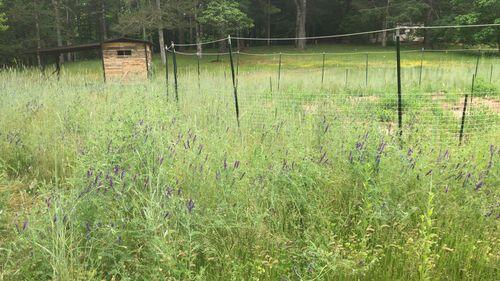
We planted this in September (we're in the Hudson Valley NY) mixed with rye and crimson clover, all from Hudson Valley Seed Co. In the spring they all came back vigorously, even though the conditions are not ideal - we are trying to rehabilitate the poor, compacted soil in an area that has been lawn for decades. The picture here is from June 6 - you can see the beautiful vetch flowers and the tall rye stalks, and the crimson clover has already finished flowering. We are letting everything go to seed (at the risk of it becoming "weedy") because we want to let the area keep building fertility for another season or two, so we'll see if the cover crops naturally establish themselves.