


Maxibel Bush Haricot Vert
Phaseolus vulgaris
Certified Organic
The classic French-style filet bush bean. These beans stay thin and tender and are of exceptional eating quality, even as they grow quite long. Beloved and coveted by chefs, gourmands, and home gardeners with excellent taste.
Ships within 2-3 business days
Couldn't load pickup availability
Growing instructions
Product Details
| Days to Maturity | 50 days |
|---|---|
| Days to Germination | 7 to 10 days |
| Width at Maturity | 18 inches |
| Height at Maturity | 16 to 20 inches |
| Sun Conditions | Full Sun (8+ Hours Sun) |
| Planting Depth | _ to 1 inch |
| Row Spacing | 36 inches |
| Plant Spacing | 4 to 6 inches |


I have been SO impressed with the sheer volume of beans the haricot vert variety produces! I started out with a small pack but as soon as they started going I ordered the larger 2oz. They taste great fresh, cooked, and pickled. Genuinely don’t think I will ever grow another type and have planned to dedicate an entire bed to them next season!
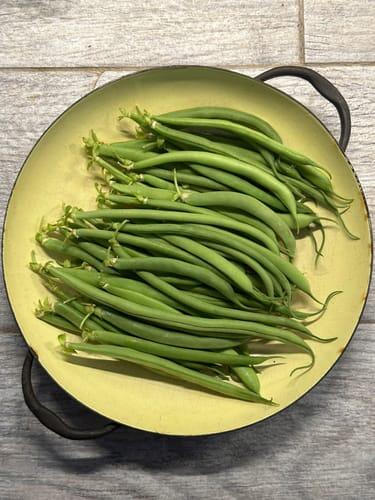
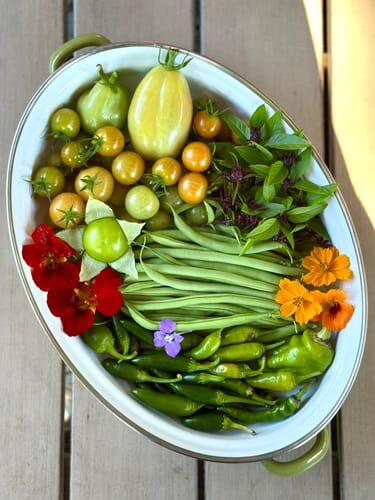
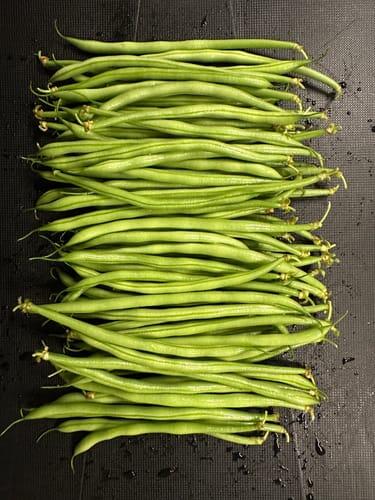
Succession planted in August in MA. Superb cropping. Delicious beans. I did need to stake them. Will definitely buy again.
These green beans always germinate and produce well unfortunately the Mexican bean larvae got to them last year