


All Stars Kale
Brassica napus
Certified Organic
Microgreens Suitable
Grown on Our Farm
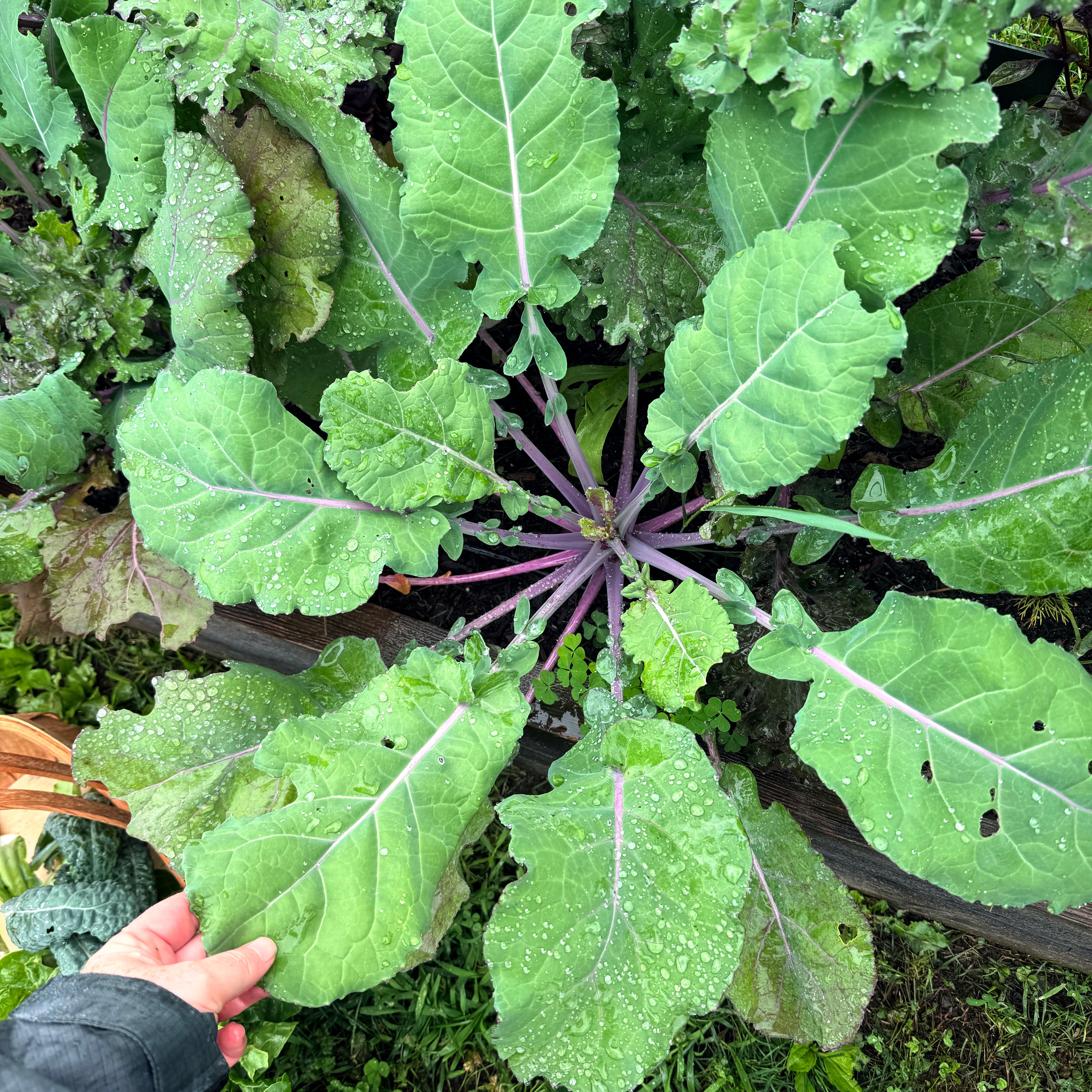
Innovative plant breeder Tim Peters developed this mix, originally called Gulag Stars, by blending Brassica napus kale varieties (Russian kales) with shinier Brassica rapa varieties (mustards and Asian Greens) using a method known as bud pollinating. Almost like astral projection, this allows two related but separate species to be swirled together. The result is this delightful mix, a blend of kales with shapes, colors, textures, and sizes that vary from plant to plant like colorful star-forming nebulae
The flavor of this kale similar to other Russian kales, a bit sharper than Dino Kale or Vates Blue Curled Kale. Plant this variety if you enjoy the flavor of Asian greens, but long for something more substantial and longer lasting in the garden. Makes a great baby leaf for salads. It's also a great variety for the budding breeder or seed saver. Kale is a biennial; grow the plants in year one, overwinter the ones you like, and save the seeds in the second year.
Ships within 2-3 business days
Couldn't load pickup availability
Growing instructions
Product Details
| Days to Maturity | 60 days |
|---|---|
| Days to Germination | 3-10 days |
| Height at Maturity | 24" |
| Sun Conditions | Partial Sun (4-6 hours Sun), Full Sun (8+ Hours Sun) |
| Planting Depth | 1/2" |
| Row Spacing | 18" |
| Plant Spacing | 12-18" |
About the artist
-
Hurry, only 7 items left in stock!




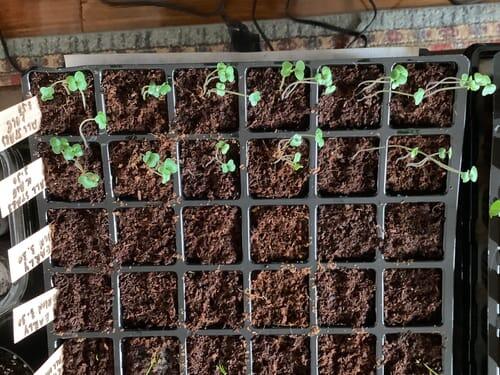
Seedlings have sprouted in each pod
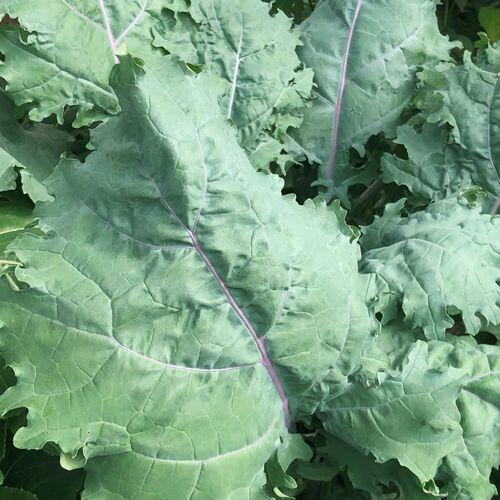
Decided to sew seeds directly in raised beds. Easy and prolific growers!
Great selection and great customer service!
Love love love these seeds! Beautiful art to motivate the most unmotivated gardeners. Inspired us to plant so many and can’t wait to see the summer in bloom!
Likes sun or shade.
We love getting surprised by the variety of kale types. It grows like weeds in our garden.. We eat it every day and freeze what we cannot eat starting in early May until the cold weather freezes it. We are normally able to pick it through December.